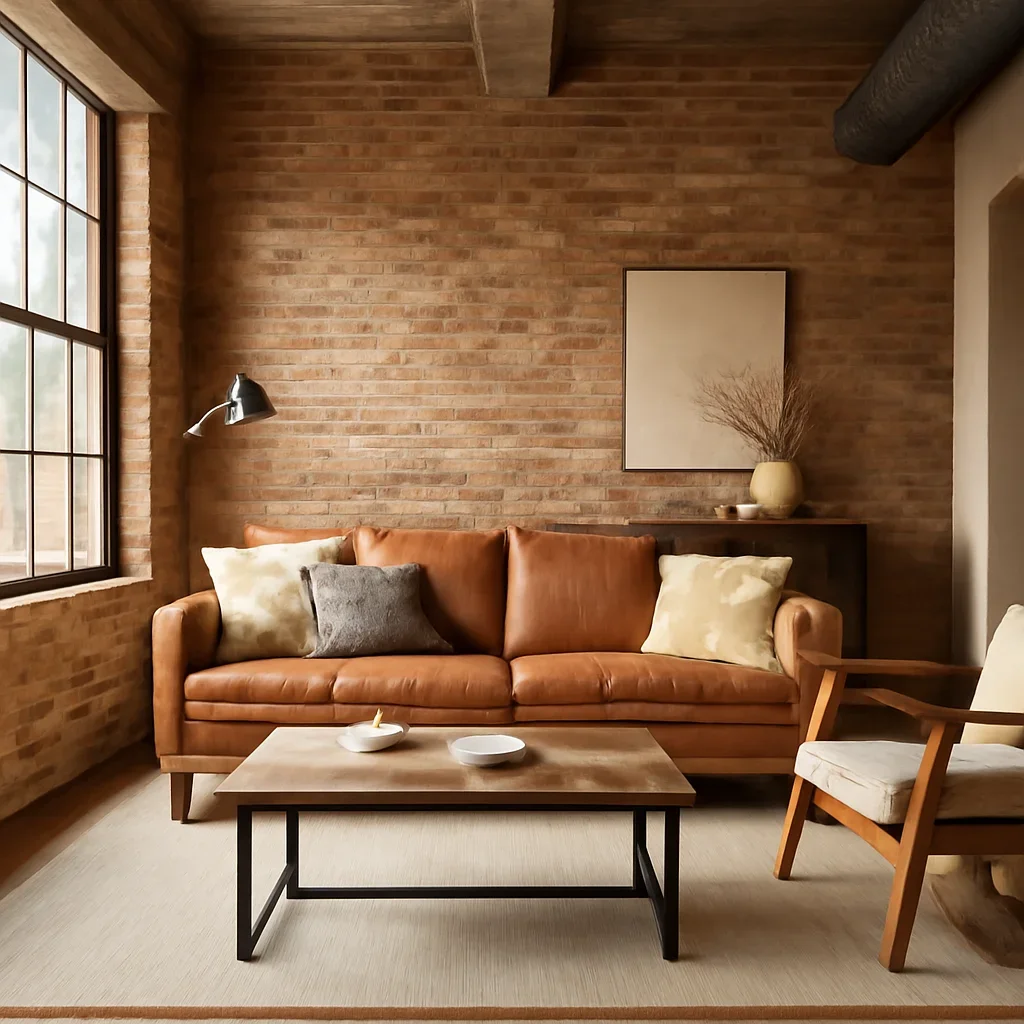
Let wood lead the warmth
Recovered finishes, medium-to-dark timbers, or lightly weathered tones balance the harder industrial elements.
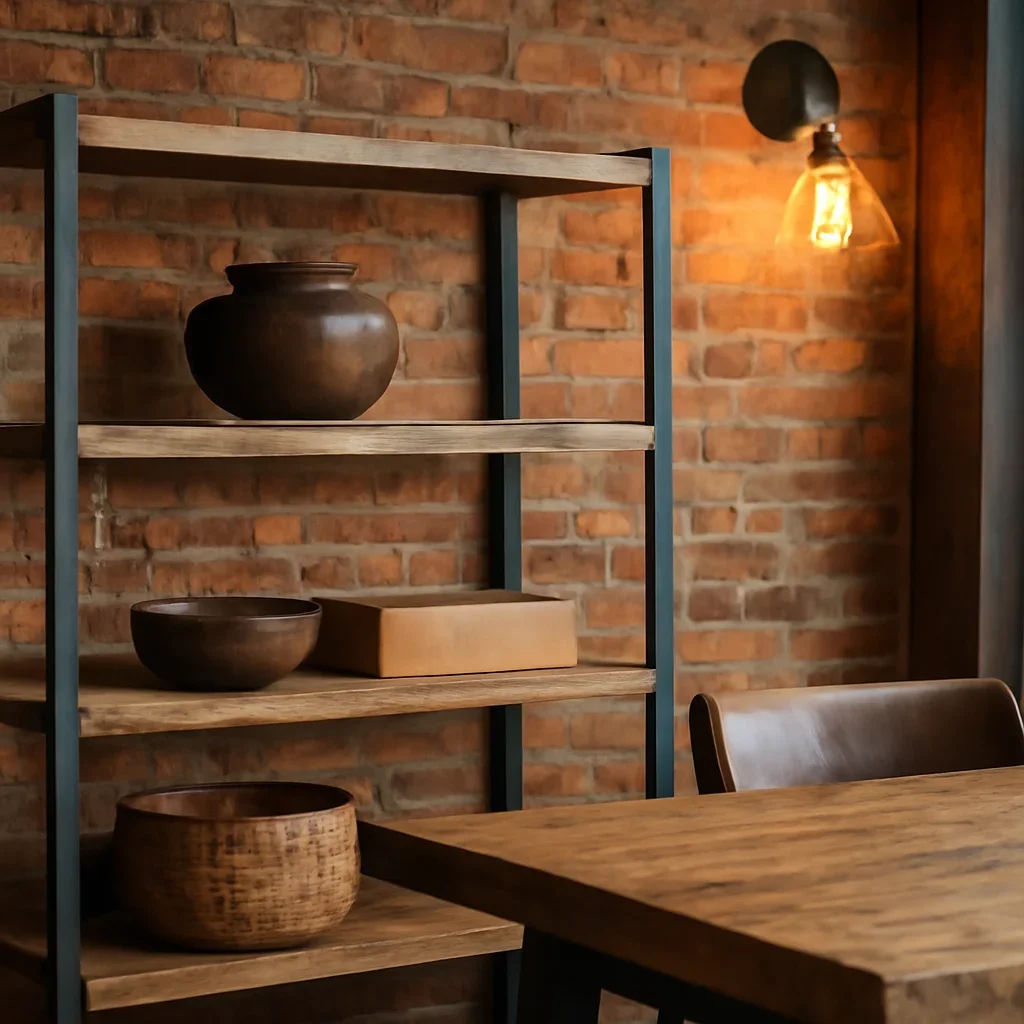
Rustic industrial interior design mixes strength and warmth through wood, metal, textured fabrics, and a grounded palette. The best rooms feel edited and livable rather than overly themed.
Style pages work best when they translate a look into practical decisions. We break down the materials, shapes, colors, and moods that define each interior direction so you can use them with confidence.
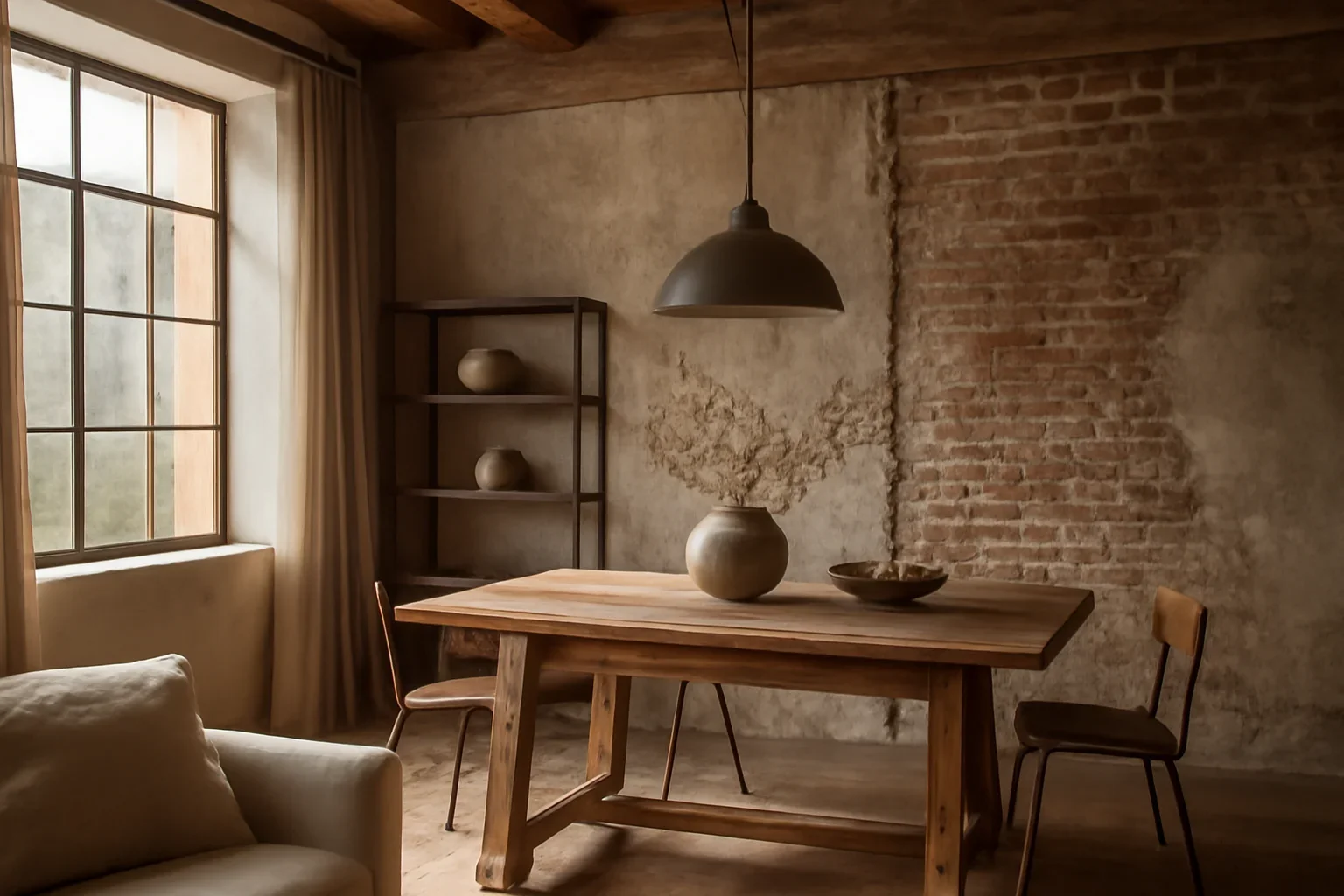
These are the design moves that usually matter most once you move past the first impression of the room.
Recovered finishes, medium-to-dark timbers, or lightly weathered tones balance the harder industrial elements.
Metal works best when it frames shelving, lighting, tables, or bed forms instead of dominating every surface.
Wool rugs, linen curtains, leather, and tactile bedding stop the look from becoming too severe.
Rustic industrial interior design mixes strength and warmth through wood, metal, textured fabrics, and a grounded palette. The best rooms feel edited and livable rather than overly themed.
Style-led rooms hold together best when the material choices repeat from one surface to the next instead of relying on constant decorative cues.
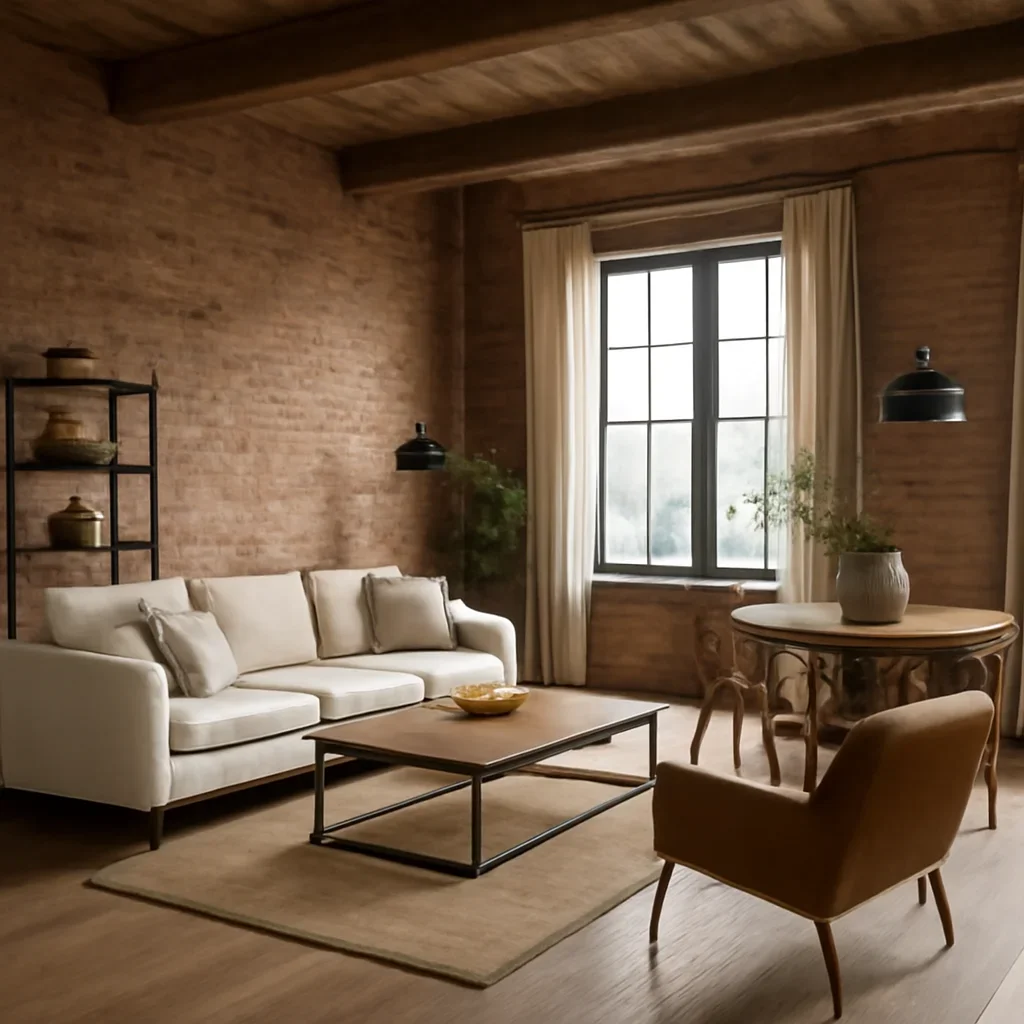
Recovered finishes, medium-to-dark timbers, or lightly weathered tones balance the harder industrial elements.
Style-led rooms hold together best when the material choices repeat from one surface to the next instead of relying on constant decorative cues.
Metal works best when it frames shelving, lighting, tables, or bed forms instead of dominating every surface.
Style-led rooms hold together best when the material choices repeat from one surface to the next instead of relying on constant decorative cues.
A simpler planning framework keeps attractive ideas from turning into cluttered decisions.
Clear answers help readers move forward faster and avoid decisions that only look good on the surface.
Prioritize proportion, function, and material quality first. Let the style cues support the room rather than dominate every decision.
Yes, as long as there is one lead direction and a shared palette or material thread that keeps the room cohesive.
Move into nearby room ideas, deeper articles, or planning resources without losing the thread of the topic you started with.
Hub for modern, Scandinavian, industrial, and hybrid aesthetics
Scandinavian style principles for modern homes
Organic-modern style explainer and inspiration hub
Explainer defining modern interior design
Browse the connected pages, save the strongest details, and use the newsletter when you want a more curated flow of ideas from Modern Design Life.
Newsletter
Categories