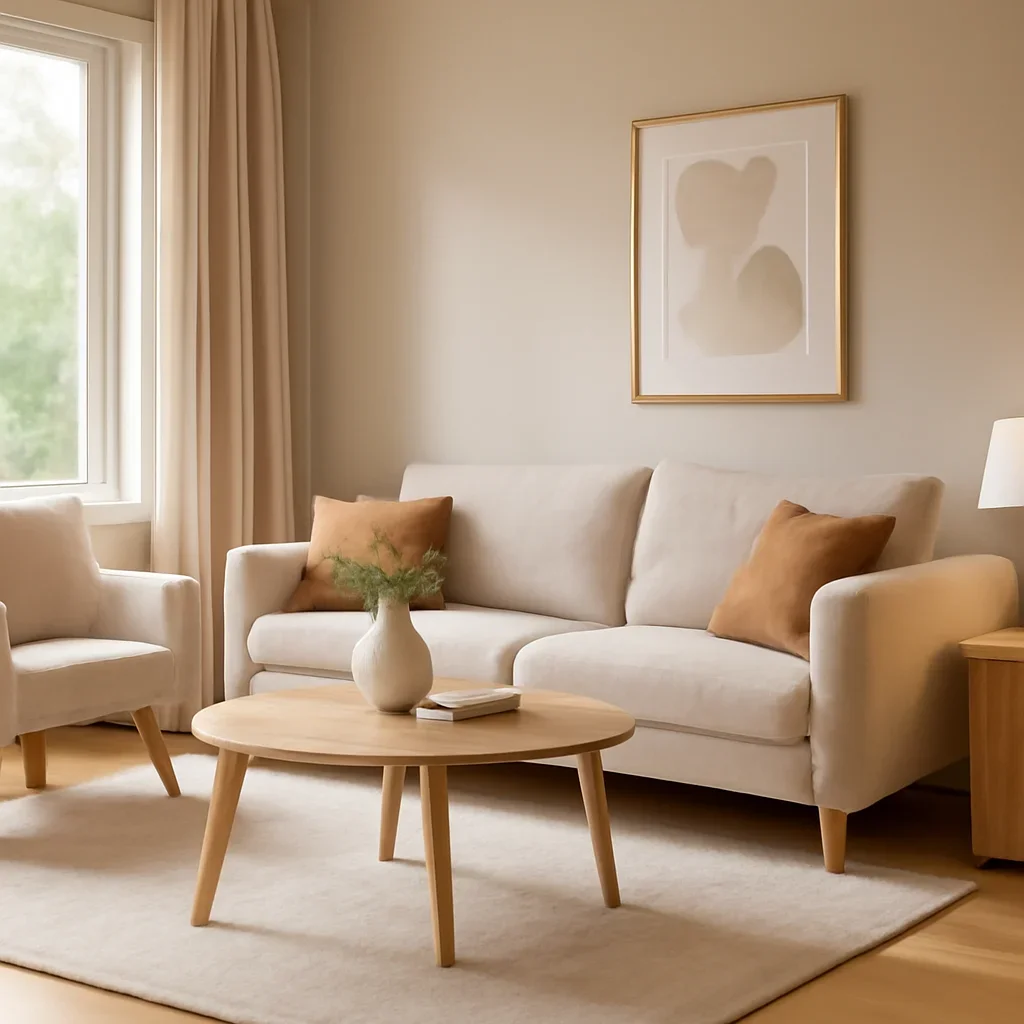
Start with the mood each option creates
Some design choices feel open and airy, while others feel grounded and layered. That emotional difference often guides the right decision first.
Compare deserves a closer look because the two options can create very different moods and day-to-day experiences. A better decision comes from comparing the materials, layout habits, and visual weight of each approach instead of relying on trend labels alone.
Comparison pages help you see where two design directions genuinely diverge. We look past trend labels and focus on how layout, materials, mood, and everyday use change from one option to another.
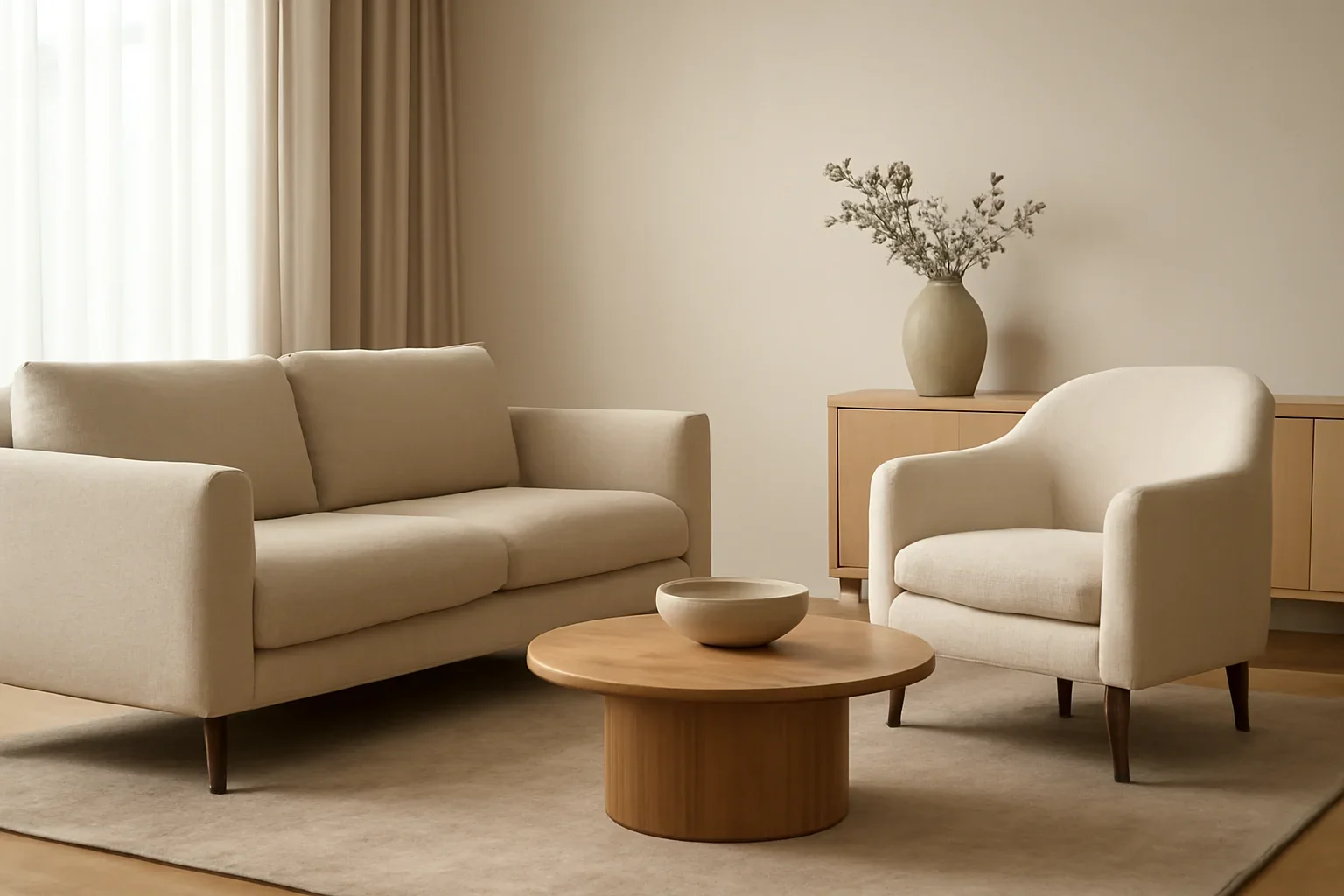
These are the design moves that usually matter most once you move past the first impression of the room.
Some design choices feel open and airy, while others feel grounded and layered. That emotional difference often guides the right decision first.
The look of a room matters, but so do durability, flexibility, and how easy the scheme is to keep consistent over time.
The better direction is usually the one that fits the people, routines, and space constraints involved.
Compare deserves a closer look because the two options can create very different moods and day-to-day experiences. A better decision comes from comparing the materials, layout habits, and visual weight of each approach instead of relying on trend labels alone.
The strongest design moves usually come from solving one clear room problem well and letting the rest of the space support that choice.
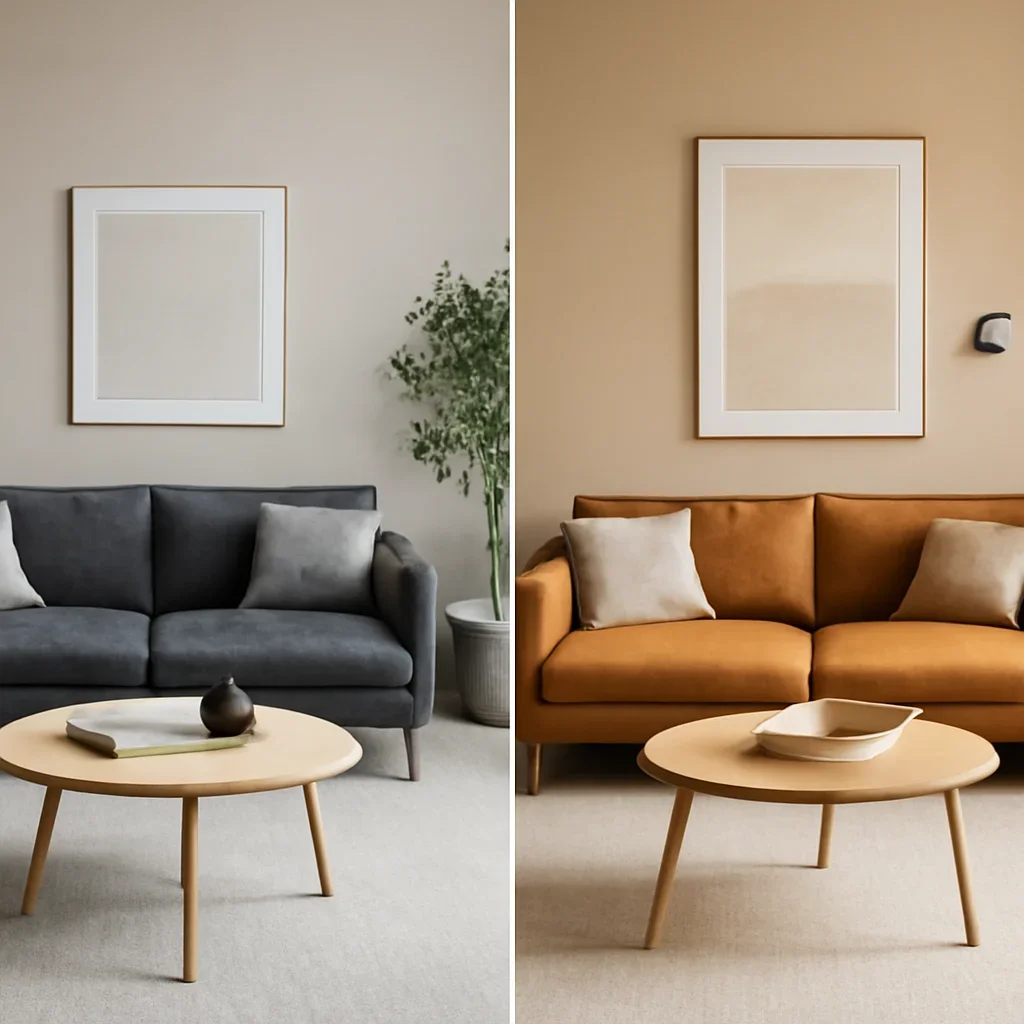
Some design choices feel open and airy, while others feel grounded and layered. That emotional difference often guides the right decision first.
The strongest design moves usually come from solving one clear room problem well and letting the rest of the space support that choice.
The look of a room matters, but so do durability, flexibility, and how easy the scheme is to keep consistent over time.
The strongest design moves usually come from solving one clear room problem well and letting the rest of the space support that choice.
A simpler planning framework keeps attractive ideas from turning into cluttered decisions.
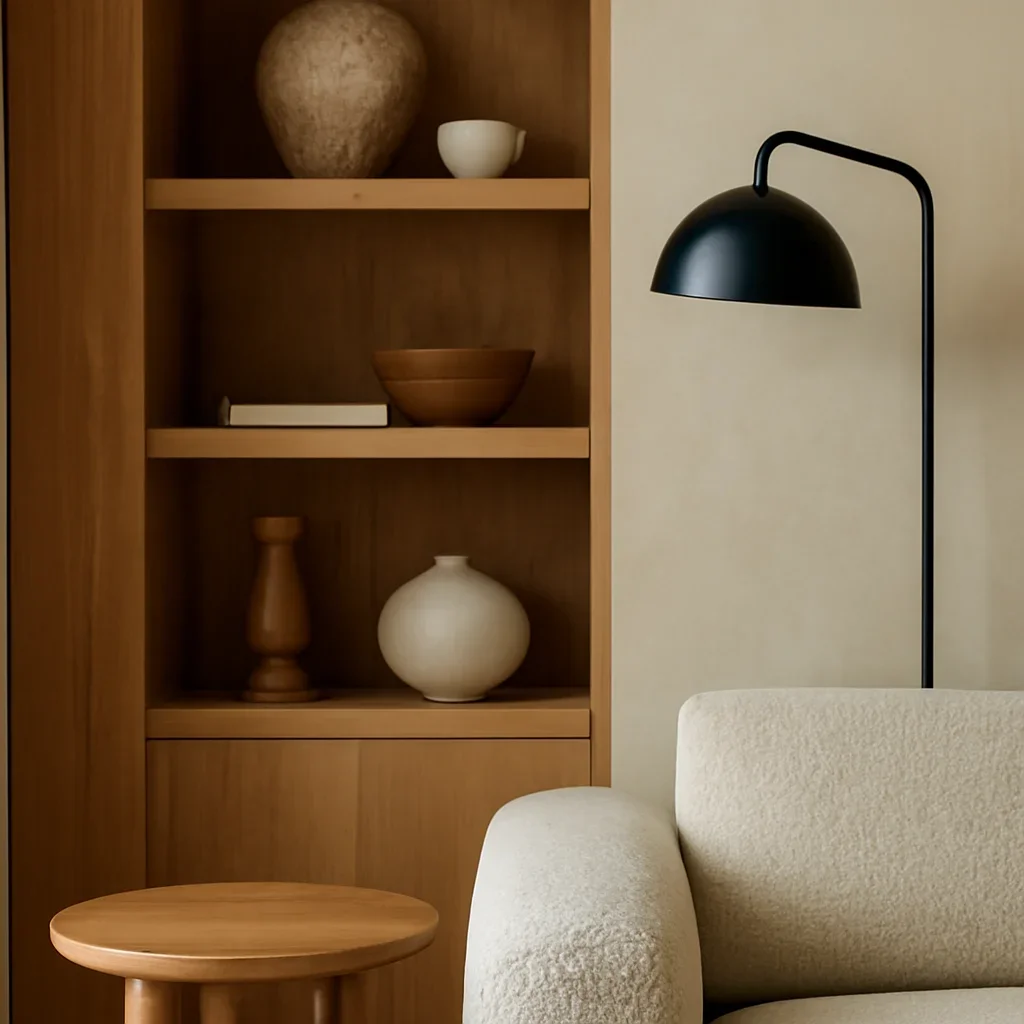
Clear answers help readers move forward faster and avoid decisions that only look good on the surface.
No. The better fit depends on how the room is used, how much contrast you want, and how structured the overall plan needs to be.
Often yes. Many of the most balanced interiors borrow the strengths of each direction instead of staying rigid.
Move into nearby room ideas, deeper articles, or planning resources without losing the thread of the topic you started with.
Comparison page to resolve overlapping style intent
Comparison of workplace layout models
Editorial archive and latest design articles
Browse all site topics by room, style, and project type
Browse the connected pages, save the strongest details, and use the newsletter when you want a more curated flow of ideas from Modern Design Life.
Newsletter
Categories