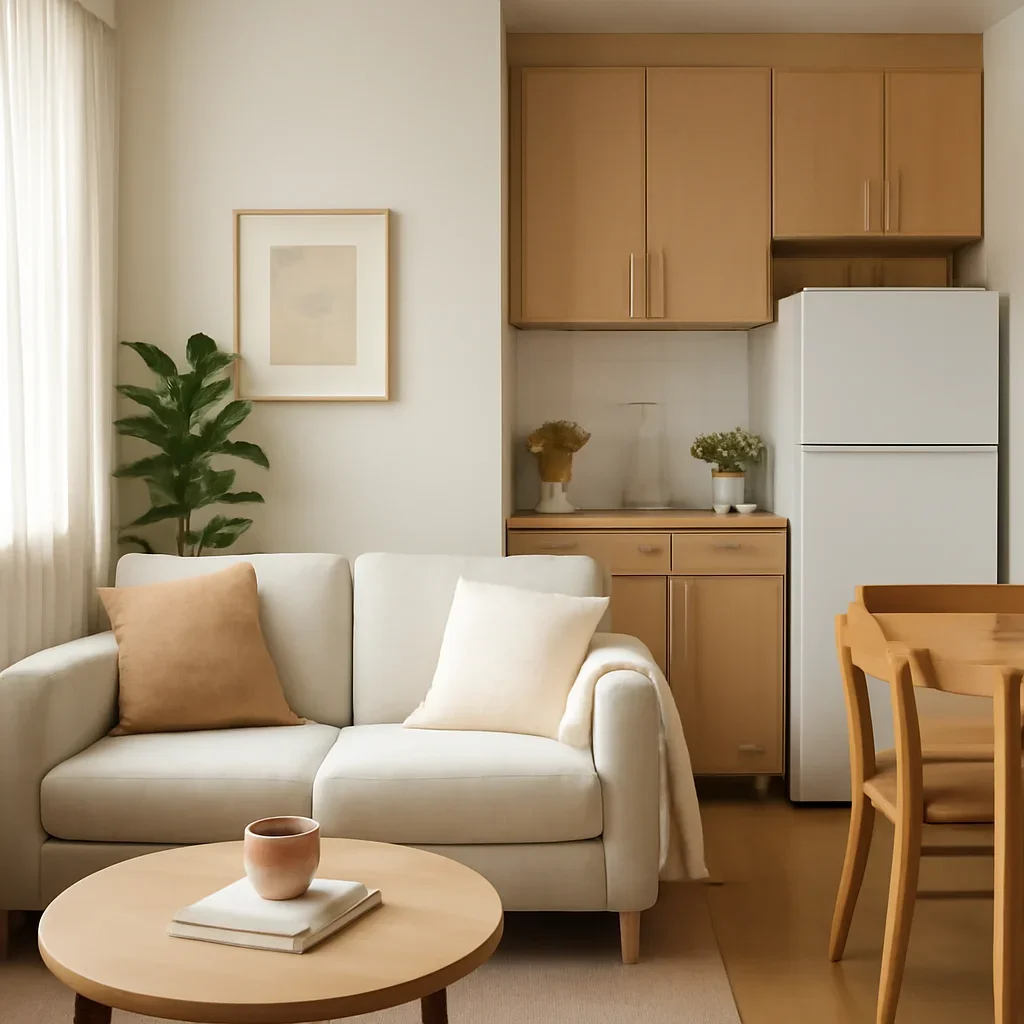
Scale every piece intentionally
A compact room improves quickly when every furniture item earns its footprint. Slim arms, raised legs, nesting pieces, and better circulation make a noticeable difference.

Small Spaces is easier to use when inspiration is paired with practical direction. We focus on the layout, material, and styling choices that make small home design ideas feel more intentional in real spaces.
Small rooms do not need less character. They need smarter planning. We focus on layouts, storage, color, and furniture choices that help compact homes feel composed rather than crowded.
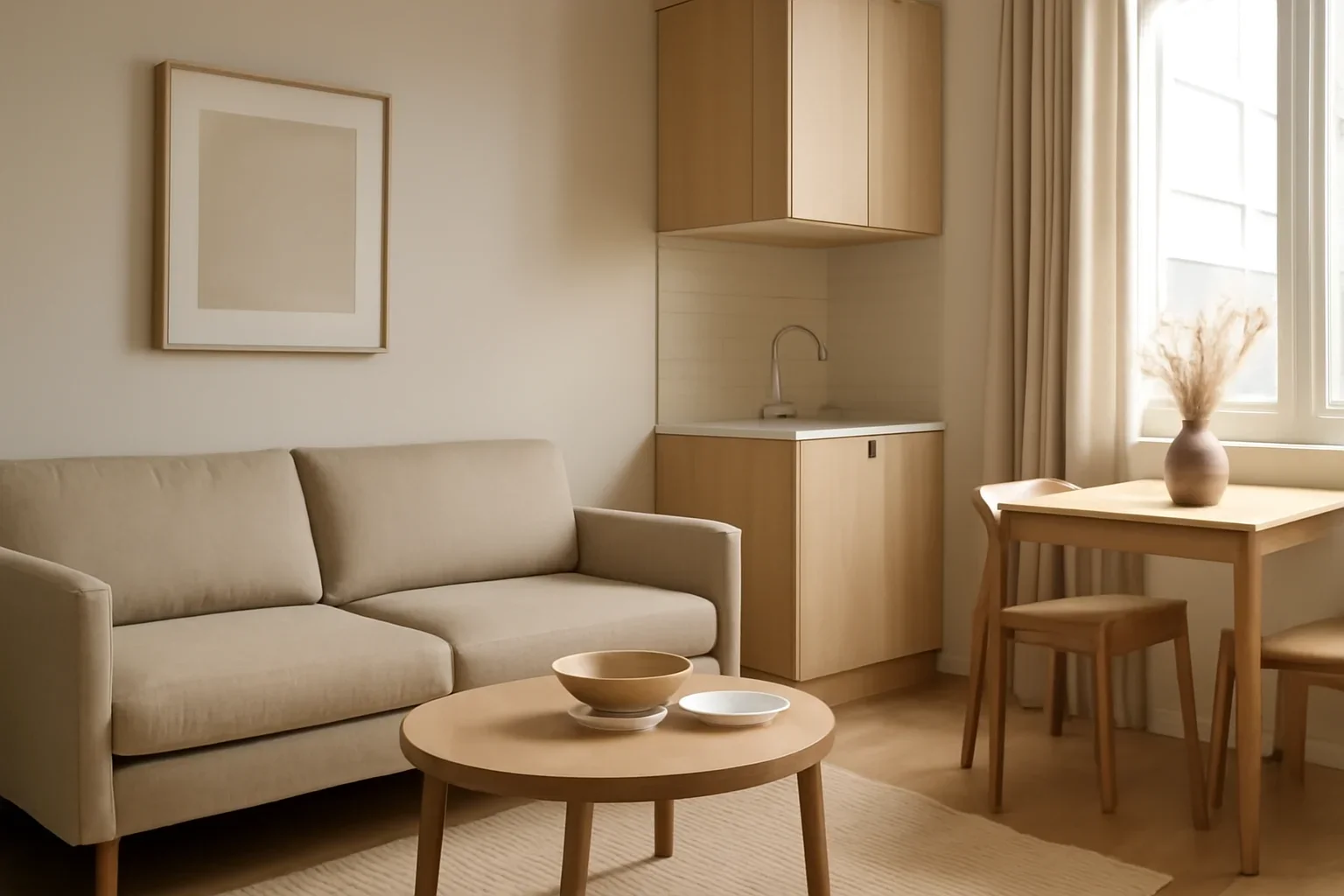
These are the design moves that usually matter most once you move past the first impression of the room.
A compact room improves quickly when every furniture item earns its footprint. Slim arms, raised legs, nesting pieces, and better circulation make a noticeable difference.
Mirrors, glass, tonal color palettes, and wall-mounted storage help a smaller room feel brighter and more open.
Trying to solve every need in one compact room often creates clutter. Let one or two strong functions lead, then add flexible supporting pieces.
Small Spaces is easier to use when inspiration is paired with practical direction. We focus on the layout, material, and styling choices that make small home design ideas feel more intentional in real spaces.
The strongest design moves usually come from solving one clear room problem well and letting the rest of the space support that choice.
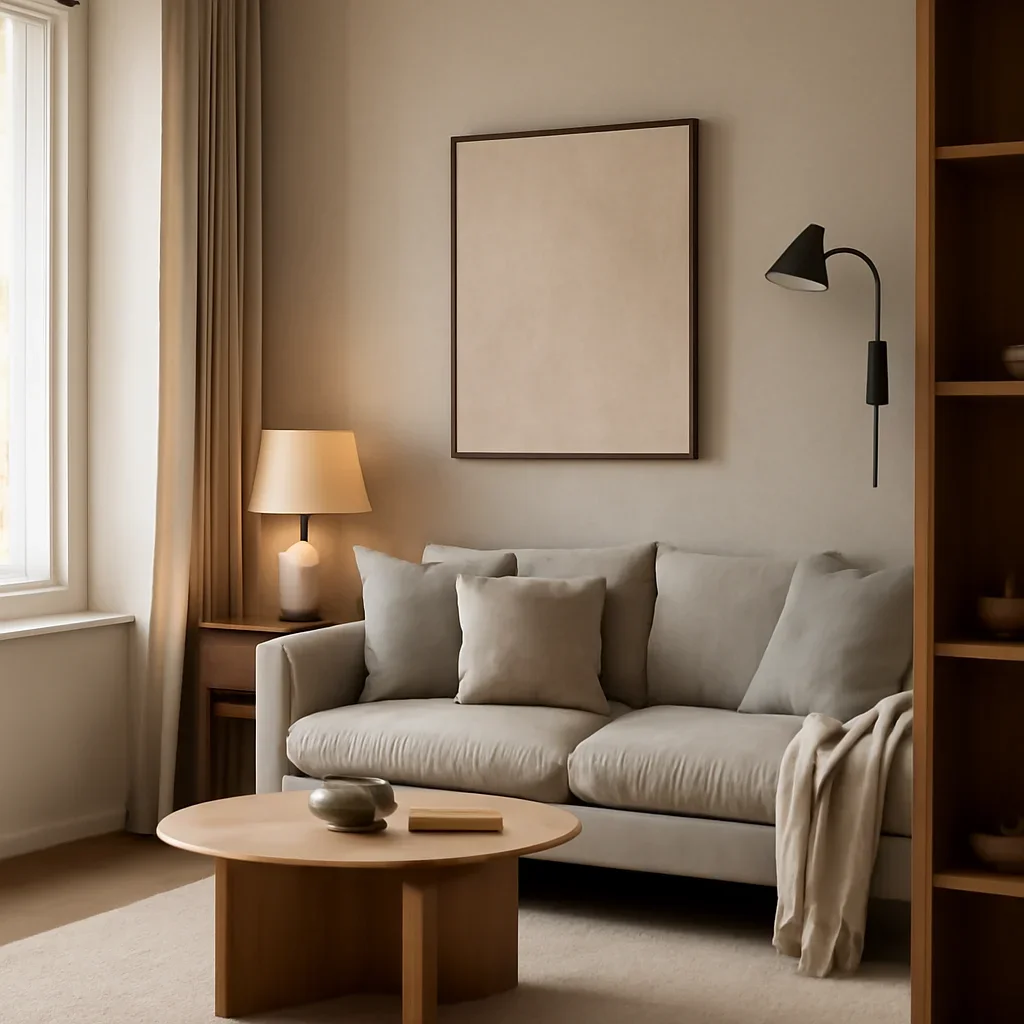
A compact room improves quickly when every furniture item earns its footprint. Slim arms, raised legs, nesting pieces, and better circulation make a noticeable difference.
The strongest design moves usually come from solving one clear room problem well and letting the rest of the space support that choice.
Mirrors, glass, tonal color palettes, and wall-mounted storage help a smaller room feel brighter and more open.
The strongest design moves usually come from solving one clear room problem well and letting the rest of the space support that choice.
A simpler planning framework keeps attractive ideas from turning into cluttered decisions.
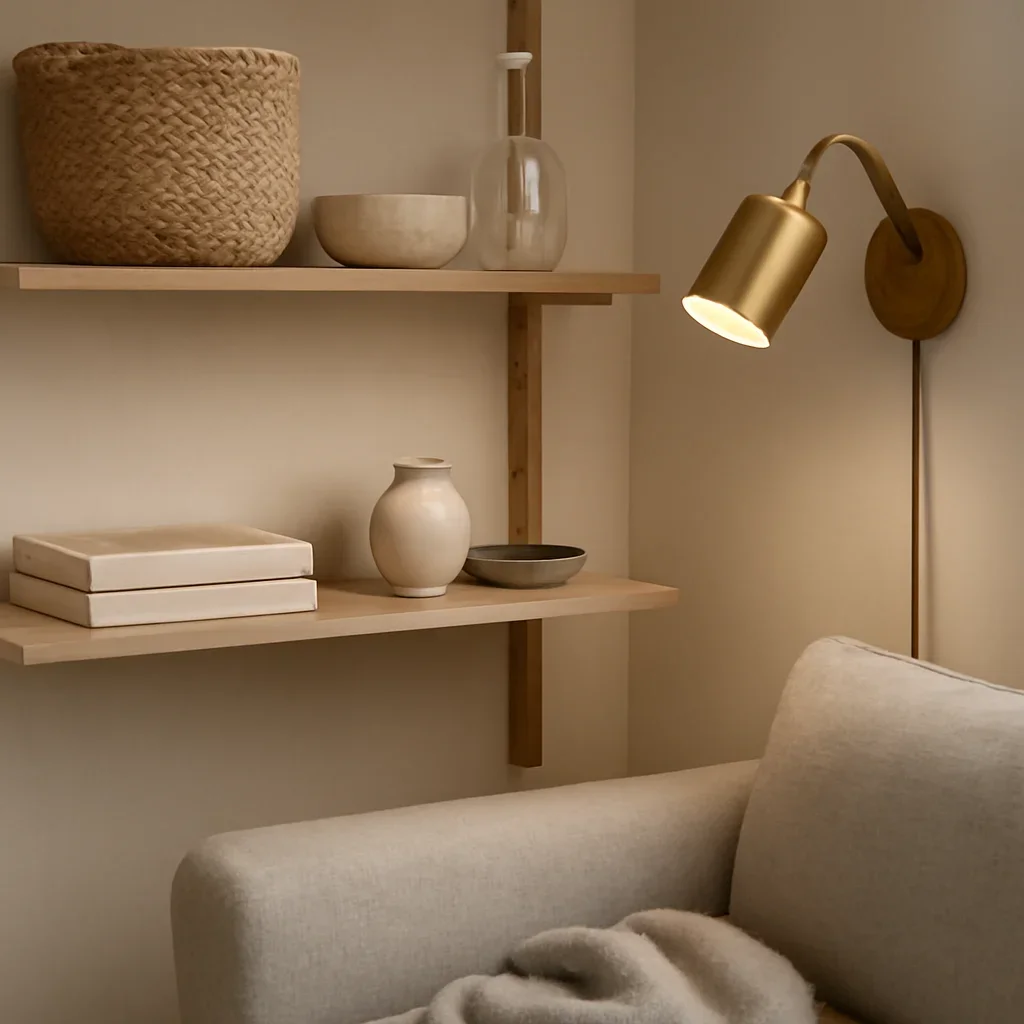
Clear answers help readers move forward faster and avoid decisions that only look good on the surface.
Lighter tones often reflect more light, but the real difference comes from contrast control and consistent surfaces rather than a single magic color.
Yes, when the statement is intentional. One bold move often feels calmer than many small competing accents.
Move into nearby room ideas, deeper articles, or planning resources without losing the thread of the topic you started with.
Design strategies for studio and compact apartments
Editorial archive and latest design articles
Browse all site topics by room, style, and project type
Reader tools, design checklists, and downloadable planning assets
Browse the connected pages, save the strongest details, and use the newsletter when you want a more curated flow of ideas from Modern Design Life.
Newsletter
Categories